Summary
Keywords
Full Transcript
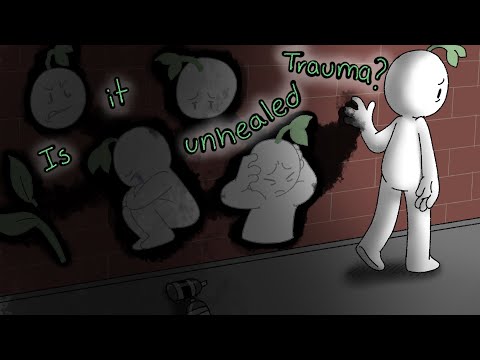
A traumatic experience can refer to any situation that evokes an intense, overwhelming, and long-lasting sense of fear, anxiety, and stress. Emotional and psychological trauma is something unfortunately a lot of people go through, and it’s no less real or no less serious than the trauma that can be inflicted by physical harm. If left unresolved, trauma in any form can manifest in negative cognitive, behavioral, or even physiological ways. If you're feeling broken, we are here to remind you that you're NOT broken, but may be struggling with some unhealed trauma. Disclaimer: This is a disclaimer that this article/video is for informative purposes only. It is not intended to diagnose or treat any condition. Please reach out to a qualified healthcare provider or mental health professional if you are struggling. Do you have unhealed trauma? Watch this video to find out: https://youtu.be/41-dra66Y0o Writer: Chloe Avenasa Script Editor: Vanessa Tao Script Manager: Kelly Soong VO: Amanda Silvera (www.youtube.com/amandasilvera) Animator: Lesly YouTube Manager: Cindy Cheong References: USA.gov. “Teen Dating Violence.” Centers for Disease Control and Prevention. Accessed April 22, 2014. Herman, J. L. (1998). Recovery from psychological trauma. Psychiatry and Clinical Neurosciences, 52(S1), S98-S103. American Psychological Association (2013). Diagnostic and Statistical Manual of Mental Disorders (5th Ed). Washington, DC; APA Publishing. Bower, G. H., & Sivers, H. (1998). Cognitive impact of traumatic events. Development and psychopathology, 10(4), 625-653. David, M., Ceschi, G., Billieux, J., & Van der Linden, M. (2008). Depressive symptoms after trauma: is self-esteem a mediating factor?. The Journal of Nervous and Mental Disease, 196(10), 735-742.

Continue this lesson in the app
Install CourseHive on Android or iOS to keep learning while you move.