Summary
Full Transcript
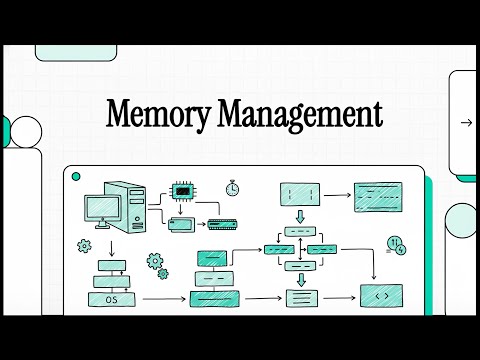
Memory Management in an Operating System Memory management is one of the most important functions of an operating system. When you open an app or run a program, it needs space in RAM to work. The OS decides how much memory each program gets and where it will be stored. The OS also keeps track of which parts of memory are being used and which parts are free. It makes sure that two programs don’t use the same memory space, which prevents data corruption and keeps the system stable. If RAM becomes full, the OS uses a technique called virtual memory, where it temporarily stores data on the hard drive to make room for active programs. This helps the system continue running smoothly even when many applications are open. In short, the OS manages memory by: Allocating RAM to apps, Keeping each program’s memory separate, Freeing memory when programs close, And using virtual memory when needed. This ensures efficient performance and prevents programs from interfering with each other.

Continue this lesson in the app
Install CourseHive on Android or iOS to keep learning while you move.