Summary
Full Transcript
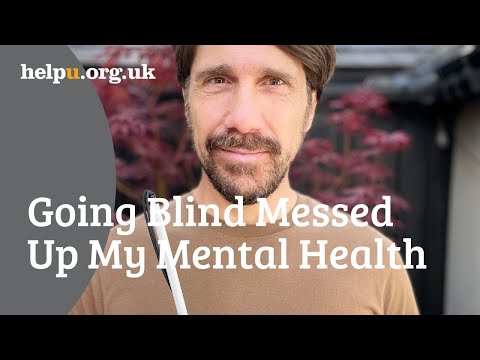
RETINITIS PIGMENTOSA - MY STRUGGLE I knew I was different. Before my parents told me about my condition, I was aware that people could see more than me, but I couldn't quite work out why. I assumed everyone saw the same, but it didn't make sense to me. It wasn't until my mum told me I had the same condition as her dad that it started to make more sense. Growing up with a visual impairment As a child, the reality of going blind seemed like a distant thing, so I didn't feel particularly devastated when I was told. However, my mum didn't tell my school about my condition, which made things challenging. For example, I couldn't participate in sports because I didn't have binocular vision or depth of field. Small things like this made me aware that my condition inhibited me in certain ways. The Impact on my mental health As I got older, I wanted to be normal and not judged differently, so I pushed my condition away and didn't seek help. However, as my vision got worse, I became more aware of what I couldn't do. This realization made me encounter periods of my life where I struggled to cope with trying to be normal while recognizing that I couldn't be. By not talking about my condition, I pushed myself into some dark places, and at times I felt sad beyond just the winter months. Suicidal thoughts Although I've never been suicidal, there have been times where if I died through natural circumstances, it would have been okay because it meant I didn't have to confront the reality of going blind. I remember being in the bath and thinking that if I just fell asleep and went under the water and didn't wake up, it would be preferable to confronting my future. Coping mechanisms Talking about my condition has been the most helpful coping mechanism for me. Although I didn't talk about it for a long time, I realized that I didn't need people to fix me, I just needed to talk about it for them to understand the things that make me frightened or things I need support for. Having friends that I can talk to about these things makes me feel less alone. Talking things through helps me make sense of the irrational thoughts in my head. Top tips for feeling better My top three tips for feeling better are to talk about your problems, find some contentment with your differences, and embrace the things that make you unique rather than trying to fit in with everyone else. Accepting your differences can give you skills that you wouldn't have had otherwise, and finding contentment can bring you peace of mind. #mensmentalhealth #mensmentalhealthawareness #mensmentalhealthmatters #mensmentalhealthmonth #sucideprevention #suicide awareness #welshmen

Continue this lesson in the app
Install CourseHive on Android or iOS to keep learning while you move.