
Summary
Keywords
Full Transcript
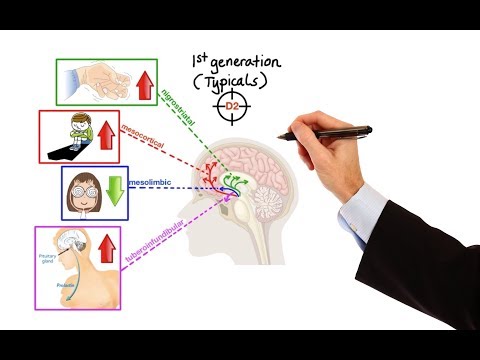
👉📖 READY TO ACE YOUR EXAM? 📚 GET STUDY NOTES ON PATREON! https://www.patreon.com/speedpharmacology Antipsychotics, also known as neuroleptics, are a class of drugs used to treat psychiatric disorders, such as schizophrenia, bipolar disorder, and psychotic depression. Antipsychotics work by changing the way certain neurotransmitters (mainly dopamine) act in the brain. This pharmacology lecture covers topics such as schizophrenia, role of dopamine in the development of psychosis, dopamine pathways in the brain (Mesolimbic, Mesocortical, Nigrostriatal, Tuberoinfundibular), positive & negative symptoms of schizophrenia, dopamine & serotonin receptors, mechanism of action and side effects of antipsychotic drugs (1st generation typical & 2nd generation atypical). Drugs mentioned include; Haloperidol, Fluphenazine, Prochlorperazine, Trifluoperazine, Chlorpromazine, Aripiprazole, Clozapine, Lurasidone, Olanzapine, Quetiapine, Risperidone, and Ziprasidone. Thanks for watching and don't forget to SUBSCRIBE, hit the LIKE button👍 and click the BELL button🔔 for future notifications!!! 0:00 Intro 0:43 Dopaminergic pathways 1:56 Dopamine receptors 2:40 First-generation 'typical' antipsychotics 5:26 Second-generation 'atypical' antipsychotics

Continue this lesson in the app
Install CourseHive on Android or iOS to keep learning while you move.

