
Summary
Keywords
Full Transcript
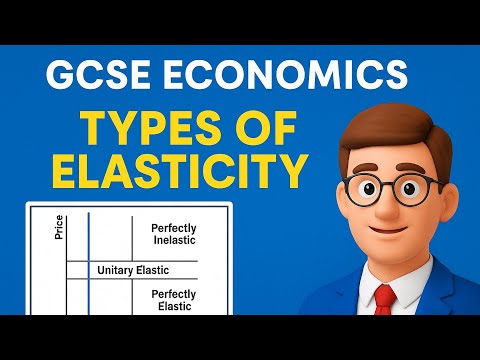
Hallo, it’s Mr. G your Business and Economics teacher. In this GCSE Economics lesson, we explore the different types of elasticity — a vital concept that helps students understand how strongly consumers and producers respond to price changes. This lesson explains all five key types of elasticity: elastic, inelastic, perfectly elastic, perfectly inelastic, and unitary elastic. Each is clearly defined and illustrated with real UK-based examples, including petrol, cinema tickets, medicines, and agricultural goods. Mr. G also explains how to interpret elasticity values, understand the shape of demand and supply curves, and analyse how elasticity affects total revenue. Students will learn how elasticity helps businesses decide on pricing strategies, how governments use it when setting taxes, and why understanding elasticity is essential for evaluating market behaviour. By the end of this lesson, you’ll be able to explain and apply all types of elasticity confidently in your GCSE Economics exam and support your answers with strong, real-world examples. Thank you for listening to Mr. G. Please subscribe to our channel. Please like, subscribe, and comment.

Continue this lesson in the app
Install CourseHive on Android or iOS to keep learning while you move.




