
Summary
Keywords
Full Transcript
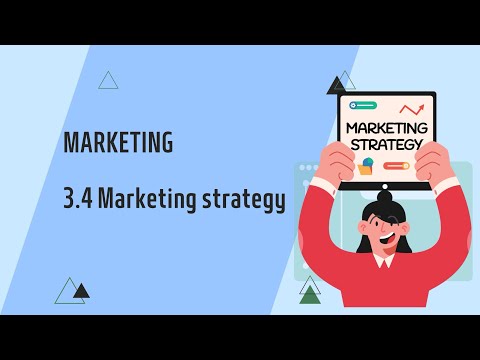
IGCSE Business Studies: Chapter 3.4 Marketing strategy Exam technique playlist https://youtube.com/playlist?list=PLUk3yfbOuRvEm_XCEEDVPBzkq9bR6ouSv&si=5blstq3wYwoNrj_G Time stamps 00:00 - Intro 00:12 - What is a marketing strategy? 00:37 - Combination of 4 P’s 00:58 - MacBook Pro’s marketing strategy 02:04 - Legal controls on marketing 03:01 - Growth potential of new markets 03:19 - Problems of entering foreign markets 04:19 - Joint venture 05:01 - Franchise / License In this video, I guide you through Chapter 3.4 on marketing strategy. I start by explaining that a marketing strategy combines the four elements of the marketing mix: product, price, place, and promotion. The goal is to maintain market share, increase sales, and utilize extension strategies for existing products. I provide an example of Apple's MacBook Pro, highlighting its unique features, pricing, and various purchasing options across countries. Next, I discuss the impact of legal controls on marketing decisions, emphasizing the importance of accurate product descriptions and compliance with regulations. I cover the potential for growth in new markets but also the challenges businesses face when entering foreign markets, such as language barriers, cultural differences, and varying legal regulations. To mitigate these challenges, I explain strategies like joint ventures and franchising. For instance, Suzuki’s joint venture in India demonstrates how shared expertise can reduce risk, though it also carries the risk of brand damage if mistakes occur. Finally, I highlight the benefits and drawbacks of franchising, including established brand support versus high startup costs.

Continue this lesson in the app
Install CourseHive on Android or iOS to keep learning while you move.




