
Summary
Keywords
Full Transcript
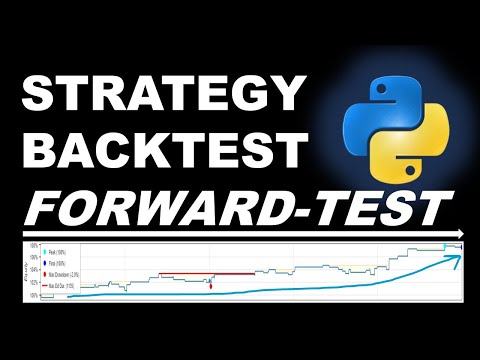
In this follow-up video, we delve into the Python code that powers our live trading bot, dissecting the technical tweaks and optimizations that have significantly improved our Forex trading strategies. If you're eager to understand the nuts and bolts of Forex trading automation, including the coding aspects of moving averages, Bollinger bands, RSI indicators, and the meticulous adjustment of stop loss (SL) and take profit (TP) settings, this video is crafted for you! Forex trading automation stands at the forefront of modern trading methodologies, merging accuracy, speed, and efficiency into a single, powerful tool. Yet, the journey to perfection is ongoing, requiring constant updates and optimizations to stay in tune with the dynamic Forex market. Today, we pull back the curtain on the coding practices that enhance our trading bot's functionality, aiming for higher profitability and shorter drawdown periods. We kick off with a deep dive into the Python code that orchestrates our trading strategy, focusing on how we leverage moving averages and Bollinger bands for detecting trends and signaling entries. Following a successful initial phase with a 60% return over three months, we encountered a need for refinement due to a subsequent performance decline. This scenario underscores the critical need for perpetual strategy optimization in the realm of Forex trading. A centerpiece of our strategy's evolution is the incorporation of the Relative Strength Index (RSI) in our Python code, offering a quicker and more accurate trend confirmation method than traditional moving averages alone. This modification aims to sharpen our trade accuracy and curtail losses amid trend reversals. Moreover, we explore the sophisticated optimization of SL and TP settings within our code, applying a forward-testing approach reminiscent of machine learning algorithms. This ensures our trading bot's adaptability and responsiveness to the prevailing market conditions, a key ingredient for enduring success. The video further examines the use of a sliding window for parameter optimization within the code, guaranteeing that our trading bot remains finely tuned and abreast of the latest market shifts. This strategy not only bolsters performance but also strives to generalize the bot's efficacy across wider time spans. Additionally, we introduce an enhanced trade management strategy through our code—the break-even tactic. This approach underscores our dedication to minimizing risk by safeguarding profits and dynamically adjusting SL positions, thus aiming to diminish drawdown durations and magnitudes. Embark on this comprehensive journey with us as we navigate through the code enhancements, providing practical examples, backtesting outcomes, and insights from live trading. This video is a treasure trove of strategies, tips, and coding insights to propel your trading bot to new heights. Stay tuned for more content, where we'll continue to share our experiences and findings in real-time trading scenarios. Trade wisely, and we look forward to seeing you in the next episode! 🔥The Python notebook: https://drive.google.com/file/d/1Gi11C9wxiWRdLoL414PVGzu2Xmx_QY3Y/view?usp=sharing 🔥Below are links to the source codes in Python from our previous videos, allowing you to download and explore the codes firsthand: 🔥 Part 1 Video: https://www.youtube.com/watch?v=r0RTIhrkJL4 🔥The strategy description and backtest: https://youtu.be/C3bh6Y4LpGs 🔥The live trading bot we used for testing: https://youtu.be/bZhtvvFm17A

Continue this lesson in the app
Install CourseHive on Android or iOS to keep learning while you move.




