Summary
Keywords
Full Transcript
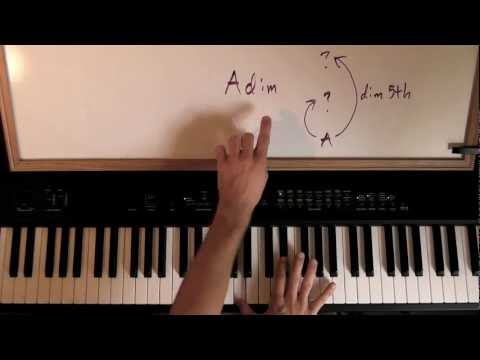
UPDATE: Hello, this is Present Day Michael. I would like to point out that Past Michael chose his words poorly when he said "this chord doesn't work", and that statement has led to much anger and confusion throughout the eons (well since 2011 anyway). What he SHOULD have said was "by moving notes closer together than a minor third or farther apart than a major third, you're creating an entirely new chord that you're almost definitely not expecting, and you should watch this video https://youtu.be/Nr2XBoanNJY to understand the crazy nonsense that's happening here." The great thing about improvised YouTube videos that unexpectedly become popular is that you can never change a single thing about them ever. Present Day Michael apologizes profusely for Past Michael's mistakes. END OF TIME-WARPING UPDATE Check me out on Patreon if you want to help me make more of these: http://patreon.com/michaelnew Next up, check out how rhythm works: http://youtu.be/Utzyi4gfBDE or more about chords: http://youtu.be/3tbK2jtVRM8 or how major and minor keys work: http://youtu.be/rHlWP-nc4tM This lesson is on chords, how they work, and the basic intervals that make them up. Learning the underlying music theory behind chords will not only allow you to find any chord you want, anywhere you want, it will also give you a solid foundation to build your entire understanding of music theory on. I have a bachelor's in music (I took about a billion theory courses), and I'm a full time music teacher. After trying to help so many people learn music theory, I've decided that this is the best, most useful and most easily understood way into music theory. You don't need to know anything about music to get started on this, other than the names of the notes (and if you don't know that then google it; it's cake). Have fun.

Continue this lesson in the app
Install CourseHive on Android or iOS to keep learning while you move.