
Summary
Keywords
Full Transcript
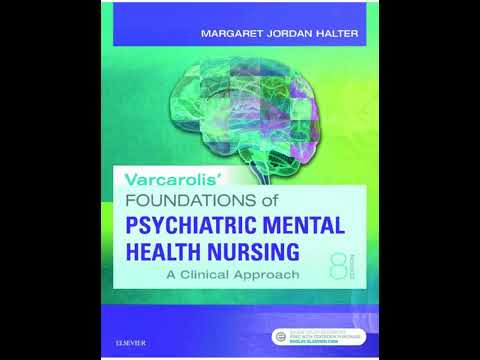
Chapter 26 of Foundations of Psychiatric Mental Health Nursing: A Clinical Approach (8th Edition) focuses on psychiatric-mental health nursing care for children and adolescents, emphasizing developmental, biological, and psychosocial considerations. The chapter begins with epidemiology, noting the prevalence of psychiatric conditions in youth, and highlights early onset as a predictor of long-term impairment if untreated. Risk factors include genetics, prenatal insults, family dysfunction, trauma, poverty, bullying, and chronic illness. Disorders covered include neurodevelopmental conditions such as intellectual disability, autism spectrum disorder, and attention-deficit/hyperactivity disorder (ADHD); disruptive behavior disorders like oppositional defiant disorder (ODD) and conduct disorder; mood and anxiety disorders; posttraumatic stress disorder (PTSD); and early-onset schizophrenia. Clinical features include social withdrawal, aggression, hyperactivity, irritability, poor academic performance, and regression in developmental milestones. Assessment tools such as the Vanderbilt Assessment Scales, Conners Rating Scales, and Child Behavior Checklist are highlighted, along with interviews, play therapy, and observation. Treatment strategies emphasize multimodal care: pharmacological interventions (stimulants for ADHD, SSRIs for depression and anxiety, antipsychotics for aggression or psychosis), psychotherapies (cognitive-behavioral therapy, family therapy, play therapy), and school-based interventions. Nursing interventions focus on developmental sensitivity, therapeutic communication, crisis management, family education, and promoting resilience. Special considerations include tailoring interventions to developmental stage, involving caregivers, and addressing stigma associated with child and adolescent mental illness. Nurses play a key role in advocacy, prevention, and early intervention, collaborating with families, schools, and community resources. By integrating biological, psychological, and social perspectives, this chapter prepares psychiatric-mental health nurses to deliver compassionate, developmentally appropriate, and evidence-based care for children and adolescents. 📘 Read full blog summaries for every chapter: https://lastminutelecture.com 📘 Have a book recommendation? Submit your suggestion here: https://forms.gle/y7vQQ6WHoNgKeJmh8 Thank you for being a part of our little Last Minute Lecture family! ⚠️ Disclaimer: These summaries are created for educational and entertainment purposes only. They provide transformative commentary and paraphrased overviews to help students understand key ideas from the referenced textbooks. Last Minute Lecture is not affiliated with, sponsored by, or endorsed by any textbook publisher or author. All textbook titles, names, and cover images—when shown—are used under nominative fair use solely for identification of the work being discussed. Some portions of the writing and narration are generated with AI-assisted tools to enhance accessibility and consistency. While every effort has been made to ensure accuracy, these materials are intended to supplement—not replace—official course readings, lectures, or professional study resources. Always refer to the original textbook and instructor guidance for complete and authoritative information.

Continue this lesson in the app
Install CourseHive on Android or iOS to keep learning while you move.

