
Summary
Keywords
Full Transcript
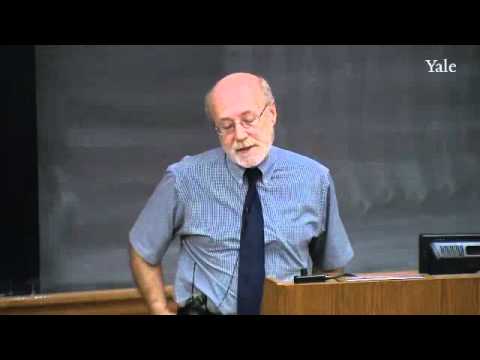
Early Modern England: Politics, Religion, and Society under the Tudors and Stuarts (HIST 251) Professor Wrightson begins by discussing how modern perceptions of the 'traditional' community have informed the manner in which the early modern social landscape is discussed. From here he moves on to address the lived reality of community and social bonds in the period. The roles that the intertwined ideas of lordship and tenancy, custom, neighborliness and social 'credit' played in rural manors and parishes are examined, as are urban institutions like the guilds, and relationships of kinship more generally. Professor Wrightson argues that the social bonds of community and neighborliness were indeed key features of early modern society and could occupy a pivotal position in people's lives, but also warns that communities could also be restrictive and riven by conflicts and tensions. While recognizing the importance of bonds of mutual obligation, we must not sentimentalize them. 00:00 - Chapter 1. Community 08:24 - Chapter 2. Authority 18:32 - Chapter 3. Neighbors 37:27 - Chapter 4. Kinship Complete course materials are available at the Open Yale Courses website: http://open.yale.edu/courses This course was recorded in Fall 2009.

Continue this lesson in the app
Install CourseHive on Android or iOS to keep learning while you move.




